
Vibration Analysis
About Vibration Analysis
Vibration analysis is a proven technology used for identifying and preventing equipment defects. An effective vibration analysis program can protect the life of your machinery by identifying bearing and other defects prior to equipment failure, resulting in less downtime and increased plant productivity.
MVN Autosecure Systems has field technicians and Certified Level III Analyst on staff to implement an effective program that can be tailored to fit specific customer applications. Ask about our popular monthly service contract option that includes vibration, infrared, oil analysis, ultrasonic testing, laser alignment and field balancing services all for a reduced annual rate and free setup.
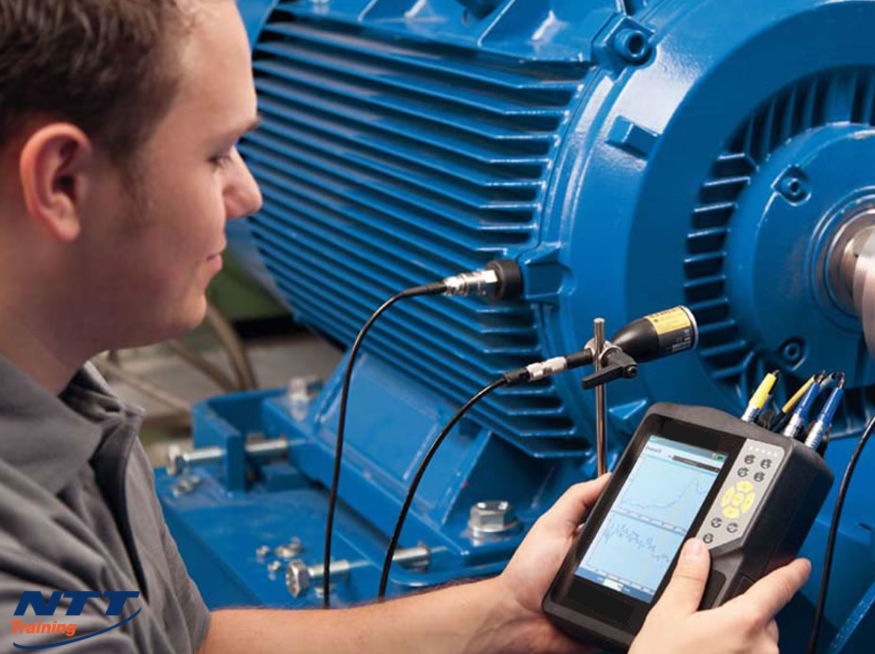

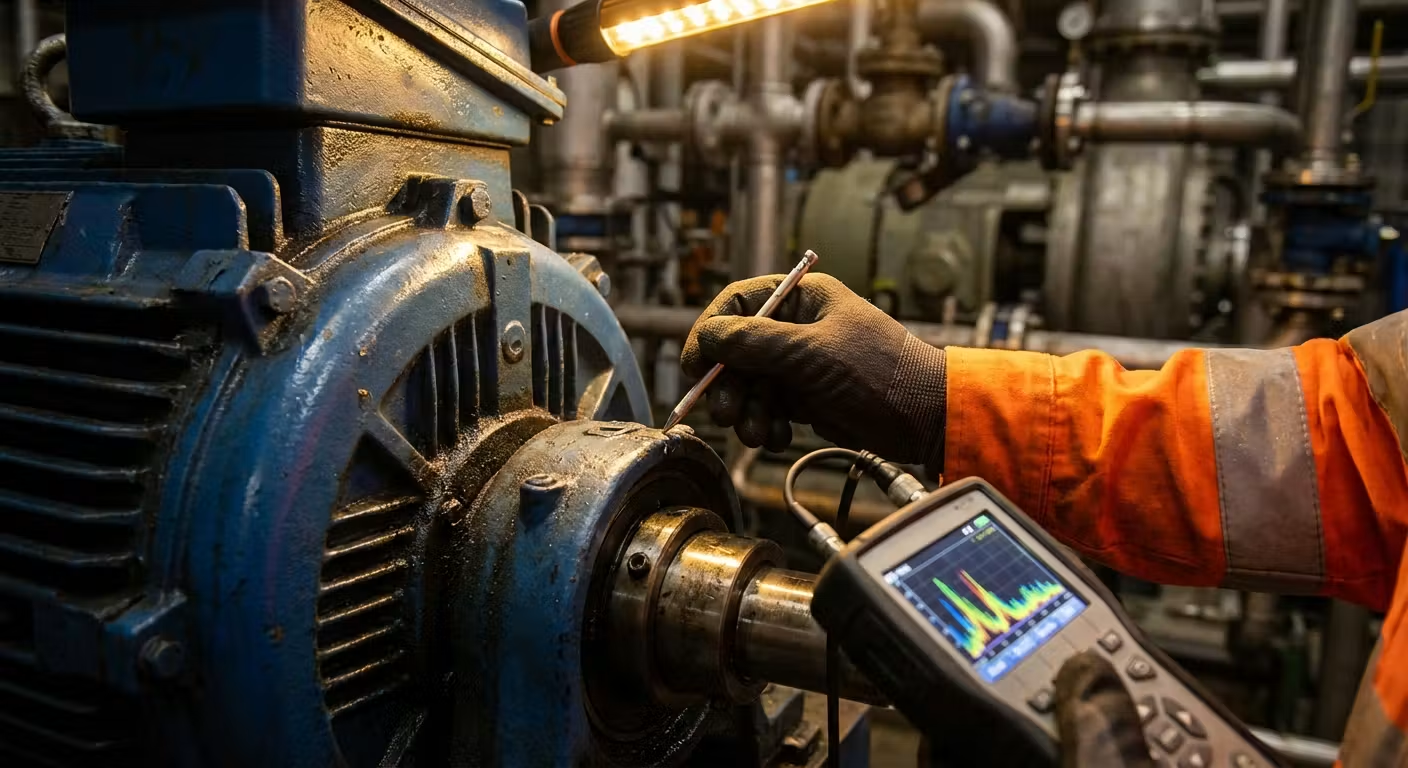
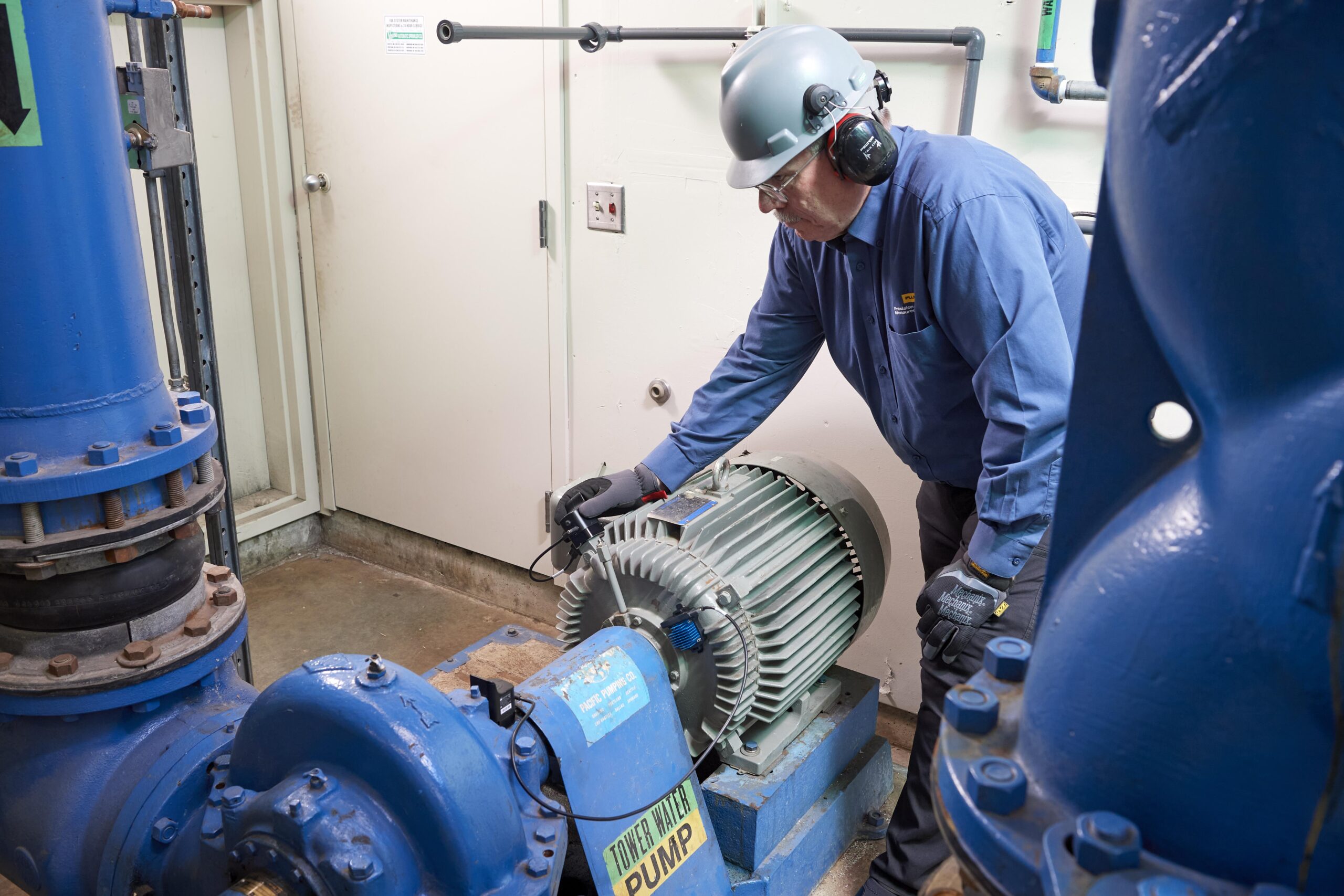
various vibration analysis services
MVN Autosecure system is prepared to provide consultation and on-site support for various vibration analysis services including:
ROUTINE CONDITION BASED MONITORING typically involves route based vibration collection to be taken and analyzed based on a quarterly frequency for most equipment. When equipment is critical and non-redundant monthly based data collection is the best way to ensure unforeseen defects do not evolve into unforeseen failures. Vibration analysis testing should be a core component of any reliability centered maintenance program. A compliment to vibration analysis is to monitor machine lubrication utilizing routine oil sampling and analysis. Infrared inspections also play a key role in monitoring inaccessible bearings and associated electrical components. MVN analysts have been certified by the ASNT (American Society of Non-destructive Testing) as Category III Analysts.
Route based vibration analysis is a powerful tool in monitoring machinery vibration and overall health. A good well designed vibration data collection route will provide the customer with “over the horizon” information on their equipment condition. Vibration analysis is very effective in identifying the following:
- Roller element bearing defects
- Misalignment
- Unbalance
- Coupling issues
- Bearing vibration
- Mechanical looseness
- Distorted case due to uneven base
- Rotor bar issues
- Resonant frequencies (very destructive to healthy equipment)
- Process related influences such as cavitation
- Excessive load
- Excessive looseness
- Rubs
- Gearbox defects
In short, if the equipment is critical to the process or expensive to repair then vibration analysis will save down time and maintenance expenses. For equipment that is difficult to access, vibration sensors can be permanently mounted to make vibration testing easier for all involved.
MVN understands the dynamics of transferring good information into action. The value to the customer of a good reliability program is only realized when information provided is converted to action. The focus of the MVN Autosecure System is to work with the various personnel within the customer’s organization to ensure the best value is realized.
Although the reporting process can be very technical, a simple straightforward field report is the primary tool to empower front line maintenance personnel to optimize equipment performance.
Rotating equipment diagnostics typically are a result of several failed attempts to resolve a known or perceived problem with equipment. Unlike diagnosing a defective condition that arises during routine condition monitoring, the analyst may not have any history or comparative data to refer to. This leaves the analyst to draw upon current data and his/her experience in diagnosing a problem.
Without the benefit of historical data, the failure trend cannot be established. So it is virtually impossible to determine a projection to failure, for instance when a bearing defect is determined to be in advanced stages, how soon can it be expected to move into critical stages? When will the probability of catastrophic failure become more likely? When using phase and waveform analysis a reasonable determination can be made as to the location of the defect with respect to the load zone. An outer race defect located at the top (11-2 o’clock) is less likely to be aggressive as one at the bottom in the load zone, (4-8 o’clock). But even with this knowledge a determination still needs to be made on the expected remaining useful life of the unit. The customer must then decide if the unit needs to be taken off line and repaired, or schedule to collect additional data to establish the defect’s severity and trend with enough accuracy to make a determination to schedule maintenance.
Many times the defective condition is a result of resonance, looseness, installation issues, process issues or of another mechanical related concern that a conclusion can be arrived upon and corrective action scheduled.
MVN has certified ANST Level III analysts and the field personnel to provide accurate diagnosis of equipment vibration issues. Many times the initial data collection is accomplished by MVN personnel and additional data collected via MVN rented analyzers then forwarded to the analyst for additional analysis and trending.
When applicable, MVN technicians also utilize additional technologies such as Infrared Inspection and Oil Analysis to compliment the vibration technology for a more comprehensive diagnosis.
MVN Autosecure System is your partner for Predictive Maintenance (Pdm), Emissions Testing, Vibration Analysis and Testing Services and Products, serving California, Nevada, Arizona, Colorado, Utah, and Hawaii including Los Angeles, Bakersfield, San Diego, San Francisco, Sacramento, Las Vegas, Phoenix, Tucson, Denver, Grand Junction, Salt Lake City. Our field technicians are available throughout the Southwestern United States, commonly performing vibration analysis in Southern California and the Las Vegas area.
Vibration acceptance testing ensures rebuilt or new equipment starts its service life in excellent condition, minimizing the risk of installing a new unit with a minor defect that progresses slowly to failure. Initial field vibration testing will ensure the equipment does not have any defective conditions that may reduce efficiency and reliability. Any issues identified in the vibration analysis report can be corrected prior to final acceptance of the equipment, ensuring that the manufacturer covers any necessary repairs. Some early stage bearing issues or minor installation issues could last several months or even years, resulting in later repairs not under warranty that could have been avoided.
MVN provides acceptance testing utilizing vibration analysis, infrared inspection and oil analysis to provide third party consultation and documentation. This in turn empowers the end user with the knowledge that vendors have met their standards and equipment is operating as expected. Standards typically are set prior to commissioning repair or acquisition, but in absence of a written standard, industry standards are available that virtually all vendors must meet after the fact. Equipment found to be operating outside of these standards is usually subject to corrective action at the vendor’s expense when properly documented.
Our field analysts specialize in creating pump acceptance reports for Hydraulic Institute Standards. H.I.9.6.4 Rev. 2009 acceptance tests follow specific guidelines and enable end users to determine if their new units are free of mechanical defects and within the acceptable and preferred operating ranges. The graphic below illustrates the required H.I. data collection point locations by pump type.
OFF SITE
WITNESS TESTING and teardown inspections provide customers with a knowledgeable representative to document repairs were as billed, equipment ran in the shop as expected and the added ability to document root failure causes of equipment down time. As long as customers are willing to purchase a standard construction pump annually there is little incentive for the vendor to offer a better solution that would increase run times to several years.
REPORTING OPTIONS
Level 1 – Provides a report stating overall vibration values and pass/fail status in regards to Hydraulic Institute standards.
Level 2 – Acceptance Report – Provides a report stating overall vibration values and pass/fail status in regard to Hydraulic Institute standards. Reviews the overall levels and the spectrums to identify the different frequencies present, for instance if the vibration is from shaft speed or vane energy. Includes a bump test to determine the presence of natural frequencies. Provides trends of the test and a few spectrums of the highest values per component. Where the unit is a variable speed application and of operations allows, the test is done at minimum flow, design then at full speed if different than design. This report is typically more common for testing mandated by a government facility with detailed specifications. All MVN reports are completely customizable to customer requirements.
Level 3 – Level 3 test builds on the Level 2 test by providing detailed spectrums on all test points in velocity and acceleration (useful for identifying the presence of bearing defects / poor lubrication). Where flow, pressure and power information is provided, a curve is generated with the test data superimposed on the factory curve tests. Flow, pressure and power data to be supplied by the customer. If required, MVN calibrated flow meter and pressure gauges are available for a daily rental fee.
Level 4 – Level 4 adds performance testing to the Level 3 test. Testing is done where possible on three different flow points then plotted on a curve. Includes calibrated flow meter and pressure gauges for testing.
Our Expertise
We have a highly experienced team of reliability and condition monitoring professionals certified in CAT II, CAT III, MLA, and other internationally recognized disciplines, delivering expert solutions for machinery health and asset reliability.
Industry Experience
Our team brings extensive experience across diverse industries, including Iron & Steel, Paper, Cement, Oil & Gas, Pharmaceuticals, Power, Petrochemicals, and Automobile manufacturing.
Technology Partnerships
We also collaborate with channel partners for leading IIoT-based Online Condition Monitoring solutions, enabling advanced real-time asset monitoring and supporting industries in their digital reliability journey.